- Home
- Climate & Energy Policy
- What Is COP31? What Happened in…
What Is COP31? What Happened in Antalya and What Comes Next
What is COP31? It is the 31st UN climate summit, held in Antalya, Türkiye, in November 2026. It ended on 22 November without its main political text after a dispute over fossil fuels. This guide covers who hosted it, what was agreed and what happens next.
By World News Reddit Editorial Team6 min readSources named
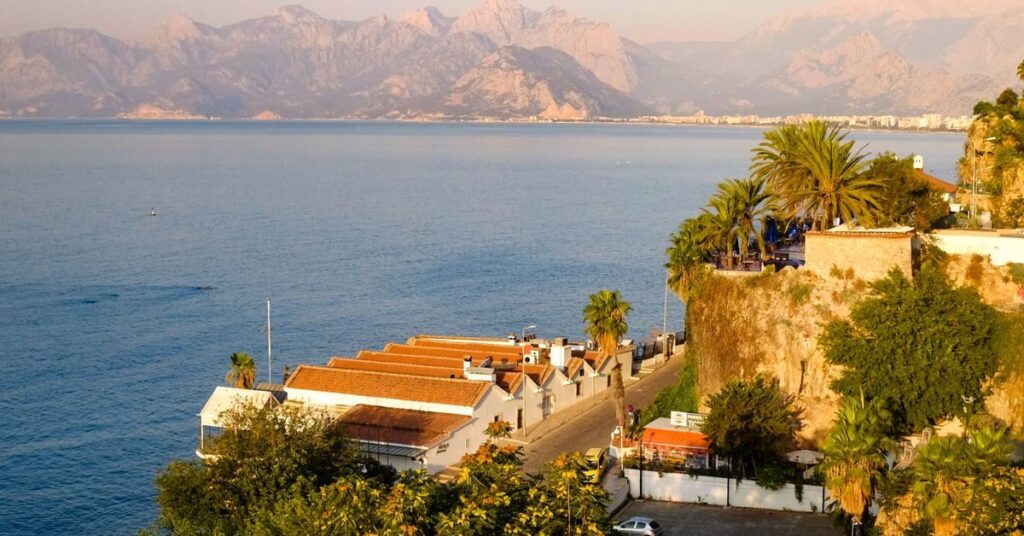
What is COP31? COP31 is the 31st annual UN Climate Change Conference, the yearly meeting where almost every country negotiates how to limit global warming. It took place in Antalya, Türkiye, and it ended on 22 November 2026 without agreement on its main political text. This guide explains what COP31 is, who ran it, why the talks stalled over fossil fuels and what happens next.
The summit was scheduled to run from 9 to 20 November. It overran by two days, and the UN described it as the longest-running climate summit on record. Because the news is recent, details may still change, so treat this page as a snapshot of the outcome as reported by the UN and major news outlets.
Key takeaways
- COP31 is the 2026 session of the Conference of the Parties to the UN climate treaty.
- Türkiye hosted it, while Australia led the negotiations under a shared arrangement.
- Delegates failed to adopt the presidency’s overarching cover decision, which some outlets called the Antalya Pact.
- The main dispute was whether the text should mention moving away from fossil fuels.
- Governments did agree on a separate package that included a just transition decision.
- The next summit, COP32, is due in Addis Ababa, Ethiopia, in 2027.
What is COP31? A clear definition
COP stands for Conference of the Parties. The parties are the countries that signed the 1992 UN Framework Convention on Climate Change. They meet every year to review progress and to agree on new steps. Since the Paris Agreement of 2015, the same meeting also acts as the governing body of that deal.
So what is COP31 in practice? It is simply the 2026 round of this process. Roughly 200 delegations attend, along with companies, cities, scientists and campaign groups. Decisions need consensus, which means that no party may formally object.
Who hosted COP31 and why was it unusual?
Two countries wanted to host the 2026 summit, and neither would back down. The compromise made Türkiye the host and formal president, with Murat Kurum, its environment minister, in the chair. Australia took charge of the negotiating track, represented by Chris Bowen. Summits normally have a single presidency, so the split was unusual.
| Item | Detail |
|---|---|
| Full name | 31st Conference of the Parties to the UN climate convention |
| Venue | Antalya Expo Center, Antalya, Türkiye |
| Scheduled dates | 9 to 20 November 2026 |
| Actual close | 22 November 2026, after two days of overtime |
| Presidency | Türkiye (host); Australia leads the negotiations |
| Next summit | COP32, Addis Ababa, Ethiopia, 2027 |
What happened at COP31?
Week one produced investment announcements and new voluntary initiatives. Then the hard bargaining began, as ministers took over talks on mitigation, finance and adaptation. When the deadline passed, the presidency circulated compromise drafts. Each draft drew objections, and each round of talks ran later into the night.
The final text did not mention fossil fuels. It leaned on carbon capture and carbon removal instead. The European Union said it could not accept that omission. The UK and small island states such as Tuvalu agreed. Panama and the Marshall Islands also withheld support. Around 130 countries had written to the presidency to say that any deal must include a path away from fossil fuels.
Saudi Arabia, speaking for the Arab League, defended the references to carbon capture and rejected claims of greenwashing. Other fossil fuel exporters resisted a phase-out language. With no consensus, COP31 President Kurum accepted that the decisions were not adopted.
Why did COP31 fail to agree on fossil fuels?
The split is old. At COP28 in Dubai in 2023, countries agreed to transition away from fossil fuels, but they stopped short of a phase-out. At COP30 in Belém in 2025, the final text again avoided the issue, and the presidency promised separate roadmaps outside the formal process. Pressure therefore built before Antalya.
Two forces collided in Antalya. Vulnerable countries and the EU wanted a clear commitment. Oil and gas producers feared for their incomes and pushed back. Money made it worse. Analysts noted that wealthy countries, strained by wars and budget pressure, would not promise the large sums that developing countries want for the energy transition and for disaster response.
What did COP31 achieve despite the collapse?
The outcome was mixed, not empty. UN climate chief Simon Stiell pointed to an agreed just transition decision and to voluntary action initiatives on electrification, resilience and investment. These are not binding, but they show that work continues outside the main text. For background on one tool in that work, see our guide on carbon offsetting.
UN Secretary-General António Guterres called the outcome a setback. He added that there is “no ambiguity in the science”, and he urged faster cuts this decade. The earlier Dubai pledge on fossil fuels remains in place, since nothing at COP31 cancelled it.
| Party | Position |
|---|---|
| European Union | Rejected a text with no reference to fossil fuels |
| Small island states | Rejected the text as too weak; Tuvalu among those objecting |
| Panama | Said the text weakened earlier agreed decisions |
| African Group (via Ghana) | Cited gaps on finance and loss and damage but did not block |
| Saudi Arabia (for the Arab League) | Defended carbon capture language |
What is COP31’s legacy for climate talks?
So what is COP31 remembered for? Mostly for the fight over fossil fuels. Antalya adds to a pattern. Each recent summit has produced some gains and one headline fight. At Belém in 2025, countries adopted 59 indicators to track adaptation, yet the text again dodged fossil fuels. At Antalya, the fight itself ended the main text. That raises a hard question about whether a consensus rule can deliver fast action.
The science has not paused. The UN Environment Programme has warned that the world will very likely pass the 1.5C goal of the Paris Agreement within the next decade. Without stronger action it projects 2.3 to 2.5C of warming by 2100. Those numbers explain why many delegates called the outcome costly.
What happens after COP31?
Anyone asking what is COP31 leaving behind will find a long to-do list. The unresolved questions pass to COP32 in Addis Ababa. Governments will return to the transition away from fossil fuels and to climate finance. In the meantime, calls are growing to reform the consensus rule, because a few objectors can block a text that most countries back. Some countries also look to smaller coalitions outside the UN process. To follow the EU’s role, start with our explainer on the European Union. The business side of climate rules is covered in what ESG means.
Frequently asked questions about COP31
What is COP31?
COP31 is the 31st UN Climate Change Conference, held in Antalya, Türkiye, in November 2026, where nearly every country negotiates climate action.
When did COP31 end?
It was due to end on 20 November 2026, but it ran two days over and closed on 22 November.
Did COP31 reach a deal?
No overarching deal passed. Countries did agree some separate decisions, including on a just transition.
Why did COP31 collapse?
The main cause was a dispute over whether the text should mention moving away from fossil fuels, along with disagreements over climate finance.
Who hosted COP31?
Türkiye hosted and held the formal presidency, while Australia led the negotiations under a shared arrangement.
Where is COP32?
Addis Ababa, Ethiopia, is due to host it in 2027.
Does the failure change the Paris Agreement?
No. The Paris Agreement and the 2023 Dubai pledge on fossil fuels remain in force.
What is COP31? The bottom line
In short, COP31 was the 2026 UN climate summit, and it ended without its main political text. The fight over fossil fuels and finance blocked consensus, though smaller decisions passed. Knowing what COP31 was helps explain why attention now turns to COP32 and to reform of the process.
Read more in the Climate & Energy Policy section or return to the homepage.