- Home
- International Organizations
- What Is the Schengen Area? Member…
What Is the Schengen Area? Member Countries and Travel Rules
What is the Schengen Area? It is a zone of 29 European countries that have abolished passport checks at their shared borders. Twenty-five EU states plus Iceland, Liechtenstein, Norway and Switzerland belong, and visitors can stay 90 days in any 180.
By World News Reddit Editorial Team7 min readSources named
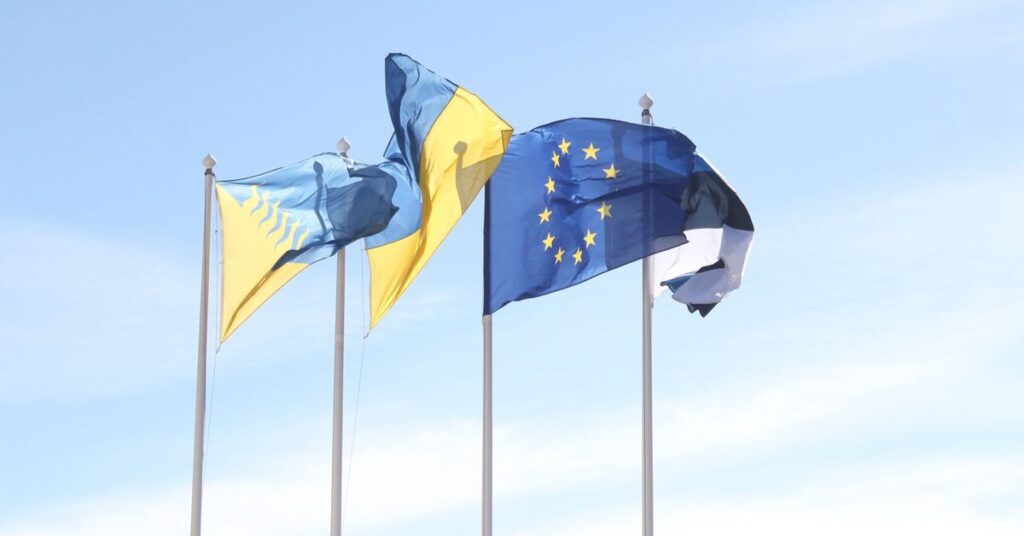
What is the Schengen Area? The Schengen Area is a group of 29 European countries that have abolished passport checks at their shared borders. Once you enter one member country, you can travel to the others without routine border control. It covers more than 450 million people and over 4 million square kilometres.
This guide explains what the Schengen Area is, which countries belong, how the travel rules work and what has changed recently. It also clears up the common mix-ups between Schengen, the European Union and the eurozone, because they are not the same thing.
Key takeaways
- The Schengen Area has 29 member countries: 25 EU states plus Iceland, Liechtenstein, Norway and Switzerland.
- It began with the 1985 Schengen Agreement, signed by five countries, and border checks first disappeared in 1995.
- Bulgaria and Romania became full members on 1 January 2025, and Croatia joined in 2023.
- Ireland and Cyprus are EU members outside the area. Ireland has an opt-out, and Cyprus is still waiting.
- Short-stay visitors can stay up to 90 days in any 180-day period.
What is the Schengen Area? Definition and origin
The Schengen Area is a zone of free movement. Its members do not carry out checks at internal borders, except in cases of specific threats. They share one set of rules for the external border, a common short-stay visa and a police database called the Schengen Information System.
The name comes from a small town in Luxembourg. Belgium, France, West Germany, Luxembourg and the Netherlands signed the first agreement there on a boat on the Moselle river in June 1985. A later convention in 1990 set out the rules, and checks between the first seven states ended in March 1995.
Over time, the area grew from a handful of states to most of the continent. It now links the European Union with four non-EU neighbours.
Which countries are in the Schengen Area?
Twenty-nine countries are full members. Anyone asking what countries are in the Schengen Area should note that membership and EU membership overlap, but they differ.
| Group | Countries |
|---|---|
| EU members in Schengen (25) | Austria, Belgium, Bulgaria, Croatia, Czechia, Denmark, Estonia, Finland, France, Germany, Greece, Hungary, Italy, Latvia, Lithuania, Luxembourg, Malta, Netherlands, Poland, Portugal, Romania, Slovakia, Slovenia, Spain, Sweden |
| Non-EU members (4) | Iceland, Liechtenstein, Norway, Switzerland |
| EU members outside Schengen (2) | Ireland, Cyprus |
Several microstates, including Monaco, San Marino, Vatican City and Andorra, have open borders with their neighbours. They are not formal members, but visitors usually cross without checks.
Why Ireland and Cyprus are not in
Ireland negotiated an opt-out. It shares a Common Travel Area with the United Kingdom, so it keeps its own border controls. Cyprus wants to join, but the unresolved division of the island has delayed the assessment.
How the Schengen Area has grown
| Date | Event |
|---|---|
| June 1985 | Five countries sign the Schengen Agreement |
| March 1995 | Border checks end between the first seven members |
| 1999 | The Schengen rules become part of EU law under the Amsterdam Treaty |
| December 2007 | Nine central and eastern European states join, including Poland |
| 1 January 2023 | Croatia joins |
| 31 March 2024 | Bulgaria and Romania join for air and sea travel |
| 1 January 2025 | Land border checks with Bulgaria and Romania end |
New members must pass an evaluation and win unanimous approval. Austria blocked Bulgaria and Romania for years, which is why their entry took far longer than their EU membership, which began in 2007.
What is the Schengen Area’s rule for visitors? Travel basics
- One visa, many countries. A short-stay Schengen visa lets you visit all member states.
- The 90/180 rule. You can stay up to 90 days in any rolling 180-day period across the whole area, not 90 days per country.
- Check your passport. Rules on passport validity apply, and officers still check documents when you enter the area from outside.
- Follow the entry and exit system. The EU is introducing a digital system that records non-EU visitors when they cross the external border.
- Prepare for travel authorisation. Officials plan a pre-travel permit called ETIAS for visa-free visitors. Check the official EU website for the start date.
Residents and citizens do not need to follow the 90-day rule. They can live and work in other member states under national and EU law.
Schengen compared with the EU and the eurozone
| Feature | Schengen Area | European Union | Eurozone |
|---|---|---|---|
| What it removes | Passport checks at internal borders | Trade barriers and many regulations | Currency exchange between members |
| Members | 29 | 27 | 21 |
| Includes non-EU states? | Yes: Norway, Iceland, Switzerland, Liechtenstein | No | Only a few microstates by treaty |
| Includes Ireland? | No | Yes | Yes |
Many travellers mix these up. Switzerland is in Schengen but not in the EU. Ireland is in the EU and the eurozone but not in Schengen.
Border checks inside the Schengen Area today
Free movement has exceptions. Countries can reintroduce temporary checks for a limited time if they face a serious threat, such as a security risk or a surge in irregular migration. Several states, including Germany, Austria and the Netherlands, have used this power in recent years.
Supporters say the area boosts trade, tourism and daily life for border workers. Critics say it needs stronger external borders and better data sharing. The debate has grown sharper since the 2015 migration crisis.
Schengen visas: who needs one and what it costs
Citizens of dozens of countries, including the United States, the United Kingdom, Canada, Australia and Japan, can enter for short stays without a visa. Citizens of many other countries must apply for a Schengen visa before they travel. The standard fee for adults has been €90 since June 2024.
| Traveller type | What is needed | Typical stay limit |
|---|---|---|
| Visa-free visitor | Valid passport; later, an ETIAS authorisation | Up to 90 days in any 180 |
| Visa-required visitor | Schengen short-stay visa | Up to 90 days in any 180 |
| EU or Schengen citizen | Passport or ID card | No limit within the area |
| Long-stay migrant, student or worker | National visa or residence permit from one country | Depends on the permit |
A long-stay visa is different. It comes from a single country and covers residence in that country. It does not give the same right of free movement as an EU citizen has.
How the Schengen Area shares security information
Open internal borders only work if members trust each other. The Schengen Information System is a shared database that holds alerts on wanted people, missing persons and stolen documents or vehicles. Police and border officers in every member country can search it in seconds.
Frontex, the European Border and Coast Guard Agency, supports members at the external frontier. The new entry and exit system records the fingerprints and photos of non-EU visitors, which should replace manual passport stamps. These tools show what the Schengen Area depends on: strong outer borders in exchange for open inner ones.
In short, the Schengen Area works because members share visa rules, databases and outer-border duties. Anyone asking what the Schengen Area means for daily life will notice it at airports and road crossings, where passport queues disappear inside the zone. The Schengen Area also differs from the EU, since non-EU states such as Norway and Switzerland belong to it.
Put simply, what is the Schengen Area? It is a shared travel zone with no routine internal border checks. Readers who ask what is the Schengen Area for business travel should know that work permits still follow national rules.
Frequently asked questions about the Schengen Area
What is the Schengen Area in simple terms?
It is a group of 29 European countries that have removed border checks between each other. Travellers can cross internal borders without showing a passport.
What is the Schengen Area’s size? How many countries belong?
There are 29. They include 25 EU countries plus Iceland, Liechtenstein, Norway and Switzerland.
Is the UK in the Schengen Area?
No. The United Kingdom has never been a member, and it also left the European Union in 2020. Ireland, an EU member, is not in the area either.
Is Schengen the same as the European Union?
No. Schengen is about border controls. The EU is a broader political and economic union. Some EU members are outside Schengen, and some Schengen members are outside the EU.
What is the 90/180 day rule?
Non-EU short-stay visitors can spend up to 90 days within any period of 180 days across the whole Schengen Area. Time spent in any member country counts toward the same limit.
Which countries joined the Schengen Area most recently?
Bulgaria and Romania joined fully on 1 January 2025, after Croatia in January 2023.
Do I need a passport to travel inside the Schengen Area?
Routine border checks have ended, but you should still carry a passport or ID. Airlines, trains and police can ask for identification, and temporary checks may apply.
The Schengen Area in short
So, what is the Schengen Area? It is Europe’s border-free zone, built on shared external controls and trust between members. It makes travel easy, though it can bring temporary checks when security concerns rise.
More explainers on global institutions are in the International Organizations section. See how another union works in our guide to the African Union, or return to the homepage.