- Home
- International Organizations
- What Is the African Union? Members,…
What Is the African Union? Members, Goals and How It Works
What is the African Union? It is a union of 55 African states launched in 2002 to promote peace, unity, trade and development, with headquarters in Addis Ababa. Burundi's president chairs it for 2026, and six members are suspended after military takeovers.
By World News Reddit Editorial Team7 min readSources named
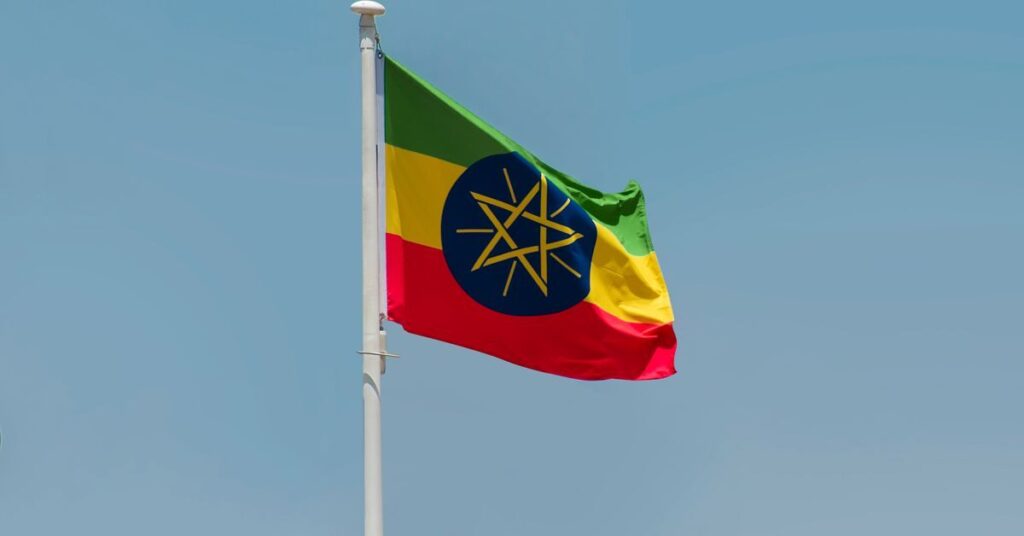
What is the African Union? The African Union (AU) is a continental organisation of 55 member states that works on peace, trade, development and political cooperation across Africa. It succeeded the Organisation of African Unity in 2002, and its headquarters stand in Addis Ababa, Ethiopia. Its members cover the entire continent and more than 1.5 billion people.
This guide explains what the African Union does and how it is built. It also names the members, lists the suspended states and describes its flagship plans. It uses 2026 information from the AU itself and from news reports, so you get the current picture.
Key takeaways
- The AU has 55 member states. Morocco rejoined on 31 January 2017, so every African country is now a member.
- It replaced the Organisation of African Unity in 2002, and its headquarters are in Addis Ababa.
- Burundi’s president, Évariste Ndayishimiye, chairs the Union for 2026. Mahmoud Ali Youssouf of Djibouti leads the AU Commission.
- The AU can suspend members after coups. In 2026 it has suspended Burkina Faso, Guinea-Bissau, Madagascar, Mali, Niger and Sudan.
- Its long-term blueprint is Agenda 2063, and its biggest trade project is the African Continental Free Trade Area.
What is the African Union? Definition and purpose
The African Union is an intergovernmental body. States join by signing its Constitutive Act, which entered into force in 2001. The AU promotes unity, defends the sovereignty of its members, supports peace and security, and pushes for economic integration.
Unlike the European Union, it cannot make laws that override national law in most areas. It works by agreement, and its decisions depend on member governments to carry them out. Its model is closer to a forum with some powers of intervention than to a federal union.
What is the African Union’s history? From the OAU to 2002
African leaders founded the Organisation of African Unity in Addis Ababa on 25 May 1963, when many African states were gaining independence. Its main aims were to end colonialism and defend national borders. It followed a strict rule of not interfering in members’ internal affairs.
That rule drew criticism after conflicts and atrocities in the 1990s. African leaders adopted the Constitutive Act in 2000, and they launched the AU in Durban, South Africa, on 9 July 2002. The new body gave itself the right to intervene in member states in cases of war crimes, genocide and crimes against humanity.
| Date | Event |
|---|---|
| 25 May 1963 | Organisation of African Unity founded in Addis Ababa |
| 1984 | Morocco leaves the OAU after it admits the Sahrawi Republic |
| 9 July 2002 | African Union launched in Durban |
| 9 July 2011 | South Sudan becomes the 54th member |
| 31 January 2017 | Morocco rejoins, bringing the total to 55 |
| 2019 | African Continental Free Trade Area agreement takes effect |
African Union member states
The AU has 55 members in five regions: North, West, Central, East and Southern Africa. Because Morocco rejoined in 2017, no African country now stands outside it. The Sahrawi Arab Democratic Republic is a member, though Morocco disputes its claim to Western Sahara.
| Region | Members |
|---|---|
| North Africa | Algeria, Egypt, Libya, Mauritania, Morocco, Sahrawi Republic, Tunisia |
| West Africa | Benin, Burkina Faso, Cabo Verde, Côte d’Ivoire, The Gambia, Ghana, Guinea, Guinea-Bissau, Liberia, Mali, Niger, Nigeria, Senegal, Sierra Leone, Togo |
| Central Africa | Burundi, Cameroon, Central African Republic, Chad, Congo, Democratic Republic of the Congo, Equatorial Guinea, Gabon, São Tomé and Príncipe |
| East Africa | Comoros, Djibouti, Eritrea, Ethiopia, Kenya, Madagascar, Mauritius, Rwanda, Seychelles, Somalia, South Sudan, Sudan, Tanzania, Uganda |
| Southern Africa | Angola, Botswana, Eswatini, Lesotho, Malawi, Mozambique, Namibia, South Africa, Zambia, Zimbabwe |
You can learn the whole map with our geography quizzes.
How the African Union works: main organs
| Organ | Role |
|---|---|
| Assembly of Heads of State and Government | Highest decision-making body; meets each February |
| Executive Council | Foreign ministers who prepare Assembly decisions |
| AU Commission | The secretariat, led by a chairperson elected for four years |
| Peace and Security Council | 15 members who decide on conflicts, sanctions and suspensions |
| Pan-African Parliament | Advisory body seated in Midrand, South Africa |
| African Court on Human and Peoples’ Rights | Judges cases on the African Charter on human rights |
The chair of the Assembly rotates every year among the five regions. For 2026 it is Burundi, representing Central Africa, after Angola’s João Lourenço served in 2025. Ghana is first vice-chair and Tanzania second vice-chair. The year’s theme is water security and safe sanitation.
What is the African Union’s role in peace and security?
One of the AU’s sharpest tools is suspension. Its rules do not allow governments that take power by force. When a coup happens, the Peace and Security Council normally suspends the country from AU activities until constitutional order returns.
The list changed in 2025 and 2026. The AU lifted Gabon’s suspension in April 2025 after elections. It lifted Guinea’s on 22 January 2026 after a presidential vote in December 2025. Meanwhile, coups in Madagascar in October 2025 and Guinea-Bissau in November 2025 led to new suspensions. Read more in our explainer on what a coup is.
| Country | Reason |
|---|---|
| Burkina Faso | Military takeover in 2022 |
| Guinea-Bissau | Military takeover in November 2025 |
| Madagascar | Military takeover in October 2025 |
| Mali | Military takeovers in 2020 and 2021 |
| Niger | Military takeover in July 2023 |
| Sudan | Military takeover in October 2021 |
The AU also deploys peace support missions, such as the one in Somalia, and works with regional bodies like ECOWAS. Funding is a weak point. The AU relies heavily on outside donors, and its leaders say financial self-reliance is now urgent.
Agenda 2063 and the African Continental Free Trade Area
Agenda 2063 is the AU’s 50-year plan to turn Africa into a global powerhouse. It sets goals on growth, education, infrastructure, democracy and peace. The AU carries it out in ten-year phases.
The African Continental Free Trade Area, called AfCFTA, aims to create a single market for goods and services. By number of member countries it is among the largest free trade areas in the world. It is meant to boost trade between African countries, which is small compared with trade with other regions. See our guide to trade deficits for the basics of trade balances.
What is the African Union doing in 2026? Priorities
The 2026 theme is assuring sustainable water availability and safe sanitation systems to achieve the goals of Agenda 2063. At the February summit in Addis Ababa, leaders called water a development issue, a health issue and a peace issue. The Commission chair also stressed institutional reform and financial independence as outside funding shrinks.
The Assembly also backed a continental agenda on justice and reparations for the decade 2026 to 2035. It links to the AU’s work with the African diaspora, a group the Union sometimes calls its sixth region. Security remains a constant concern, with crises in Sudan, the Sahel, eastern Democratic Republic of the Congo and Somalia.
African Union and regional economic communities
The AU does not work alone. Eight regional economic communities act as its building blocks for trade and security. Some, such as ECOWAS in West Africa, have their own courts, armies and sanctions tools.
| Community | Region | Notes |
|---|---|---|
| ECOWAS | West Africa | Large trade bloc; also deploys troops and suspends members |
| SADC | Southern Africa | Focus on trade and regional security |
| EAC | East Africa | Customs union and common market |
| IGAD | Horn of Africa and East Africa | Mediation and food security |
| ECCAS | Central Africa | Economic and security cooperation |
| COMESA | Eastern and Southern Africa | Large free trade area |
| AMU | North Africa | Maghreb Union; largely inactive |
| CEN-SAD | Sahel and Sahara | Wide membership across several regions |
Challenges facing the African Union
- Funding. Member states pay only part of the budget, and donors cover much of the rest.
- Weak enforcement. The AU can condemn and suspend, but it cannot force a government to comply.
- Competing interests. Members disagree on issues such as Western Sahara, Sudan and the Horn of Africa.
- Overlapping groups. Many states belong to several regional communities, which duplicates work.
- Implementation gaps. Agreements such as the free trade area need national laws and customs changes to take effect.
Frequently asked questions about the African Union
What is the African Union in simple terms?
The African Union is a group of 55 African countries that work together on peace, trade and development. It replaced the Organisation of African Unity in 2002, and its base is Addis Ababa.
How many countries are in the African Union?
There are 55 member states. Morocco, the last to join, returned on 31 January 2017, so all African countries now belong.
Who is the current chair of the African Union?
Évariste Ndayishimiye, President of Burundi, chairs the AU for 2026. He took over from Angola’s João Lourenço at the February 2026 summit. The chair rotates yearly among regions.
Where is the African Union headquartered?
Its headquarters are in Addis Ababa, Ethiopia. The Pan-African Parliament sits in Midrand, South Africa.
Which countries are suspended from the African Union?
In 2026 the suspended members are Burkina Faso, Guinea-Bissau, Madagascar, Mali, Niger and Sudan. Gabon and Guinea returned after elections.
What is the African Union’s Agenda 2063?
Agenda 2063 is the AU’s long-term development blueprint. It sets goals for growth, integration, governance and peace over 50 years.
What is the difference between the African Union and the European Union?
The EU has strong institutions that can make binding laws and share a single market and currency for many members. The AU works mostly by agreement and has far less power to override national governments.
What is the African Union worth in 2026?
In short, the African Union is Africa’s main political forum. It speaks for the continent in global talks, sets norms against coups and drives the trade agenda. Money and the will of its members limit its power.
Explore related guides in the International Organizations section, such as the Commonwealth of Nations, or visit the homepage.